Video Content SEO: The Complete Strategy to Rank on Google and YouTube
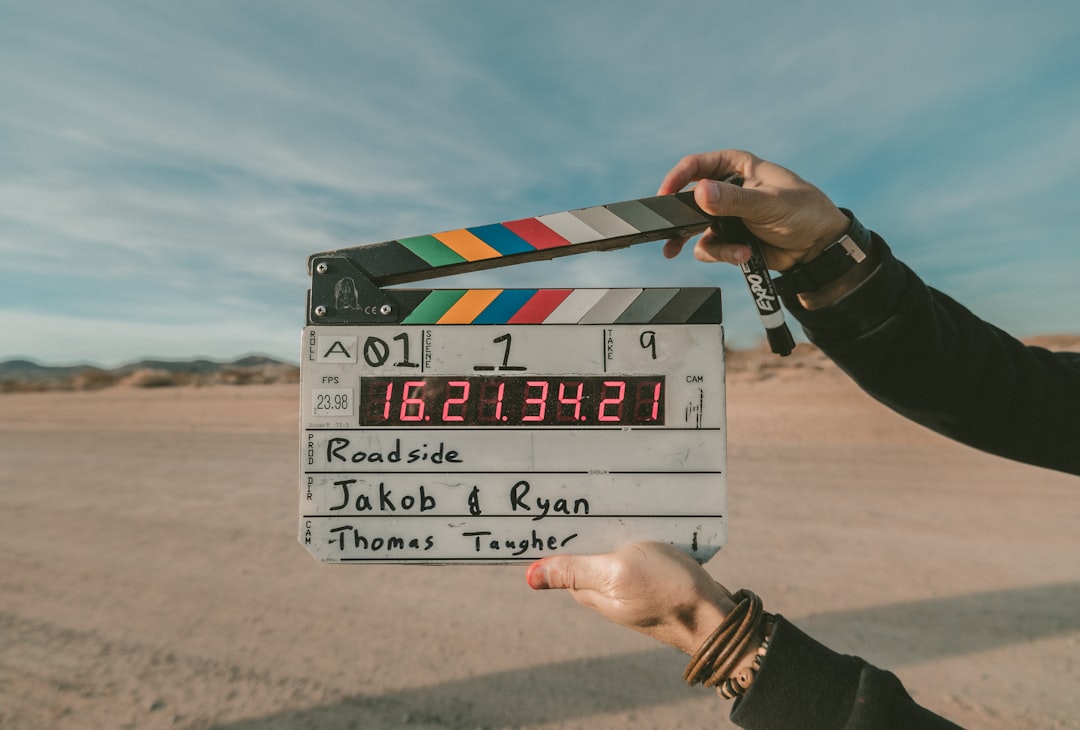
Video content SEO is the practice of optimizing video assets so they rank in search engines and on video platforms like YouTube. It covers everything from keyword research and metadata optimization to structured data, distribution, and performance tracking. If you’re creating video and not optimizing it for search, you’re leaving massive traffic on the table — video results now appear in over 26% of Google search results, and YouTube processes more than 3 billion searches per month, making it the second-largest search engine on the planet.
The shift toward video isn’t slowing down. Cisco projected that video would account for 82% of all consumer internet traffic by 2022 — and current trends have only accelerated past that mark. Google’s own data shows that video results earn a significantly higher click-through rate than text-only listings, with some studies pegging the difference at 41% more clicks. The opportunity is real. But capturing it requires a strategy that spans both Google and YouTube.
How Search Engines Discover and Index Video
Google can’t watch your video. It relies on surrounding signals to understand what a video contains: the page title, on-page text, structured data markup (VideoObject schema), video sitemaps, and the metadata you provide. When you embed a video on a page without any of these signals, Google may never index it at all.
YouTube works differently. Its algorithm has direct access to audio transcription, visual content analysis, and — most importantly — behavioral data. Watch time, audience retention curves, click-through rate on thumbnails, likes, comments, shares, and how often a video drives further viewing sessions all feed YouTube’s ranking system. YouTube doesn’t just care what your video is about; it cares how people respond to it.
This distinction matters for your strategy. Ranking a video on Google requires technical SEO fundamentals — proper schema, crawlable pages, relevant surrounding content. Ranking on YouTube requires creating content people actually want to watch and interact with. The best video SEO optimization approach addresses both.
Google Video Results vs. YouTube Search Rankings
Think of these as two different ecosystems with overlapping but distinct rules.
Google prioritizes:
- Page authority and domain trust
- VideoObject structured data
- Relevance of surrounding text content
- Proper indexing via video sitemaps
- User engagement signals on the page
YouTube prioritizes:
- Watch time and average view duration
- Click-through rate on impressions
- Engagement (likes, comments, shares, subscribes)
- Session duration (does your video lead to more watching?)
- Channel authority and topical consistency
A video can rank #1 on YouTube and not appear in Google’s video carousel. A video embedded on a high-authority page can dominate Google SERPs while sitting buried on YouTube. That’s why a dual-platform strategy is essential. You want both.
Keyword Research and Topic Planning for Video
Keyword research for video isn’t identical to text SEO research. The intent layer is different. Some queries strongly signal video intent — “how to tie a bowline knot” practically screams for a video. Others, like “bowline knot history,” lean toward text. Your job is to find the overlap where search volume meets video intent.
Identifying Queries With Video Intent
The fastest way to check: search the keyword on Google. If you see a video carousel, a video featured snippet, or YouTube results on page one, Google has already decided that query deserves video. That’s your green light.
Common video intent patterns include:
- How-to queries (“how to change a tire,” “how to edit photos in Lightroom”)
- Reviews and comparisons (“best mirrorless camera 2025,” “product X vs. product Y”)
- Demonstrations (“yoga flow for beginners,” “cake decorating techniques”)
- Tutorials and walkthroughs (“WordPress setup guide,” “Excel VLOOKUP tutorial”)
- Entertainment and visual content (“funny dog compilations,” “travel vlog Tokyo”)
If your niche naturally lends itself to visual demonstration, you’re sitting on a goldmine of video-intent keywords.
Using YouTube Autocomplete and Search Suggest Data
Type your seed keyword into YouTube’s search bar and stop typing. The autocomplete suggestions that appear are real queries people search for on the platform. This is free, unfiltered demand data.
Go deeper by checking YouTube Studio’s analytics. The “Traffic source: YouTube search” report shows exactly which queries are already driving viewers to your content — and which queries you’re almost ranking for. Cross-reference these with Google keyword data to build a unified content calendar that serves both platforms. If you’re scaling content production, a programmatic SEO playbook 2026 approach can help you systematically map keyword clusters to video topics.
Mapping Keywords to Video Content Formats
Not every keyword fits every format. Match them deliberately:
| Keyword Type | Best Video Format | Why It Works |
|---|---|---|
| How-to / Tutorial | Step-by-step walkthrough | High watch time, solves a specific problem |
| “Best of” / Listicle | Ranked list with commentary | Strong CTR, shareable |
| Product / Service | Demo or review | Purchase intent, high engagement |
| Concept / Explainer | Animated or whiteboard | Complex topics made visual |
| Interview / Expert | Conversation format | Authority building, long watch time |
Format choice directly impacts watch time and engagement — the two metrics YouTube cares about most. A 20-minute tutorial on a complex topic can outperform a 5-minute overview because viewers stay longer. But a bloated 20-minute video on a simple topic will tank your retention rate. Match the format to the depth the keyword demands.
YouTube SEO Strategy: On-Platform Optimization
This is where most creators either nail it or waste their effort. Every element you control on YouTube is a ranking signal.
Crafting Titles, Descriptions, and Tags That Rank
Titles: Front-load your primary keyword. “Video Content SEO: How to Rank on Google and YouTube” beats “How I Learned About Ranking Videos (My Journey).” Keep titles under 60 characters so they don’t get truncated. Write for humans — clickbait without substance kills retention.
Descriptions: Write at least 200 words. Your first two lines appear above the fold, so put your most important information and keyword there. Include natural keyword variations, links to related content, and timestamps. Don’t stuff keywords. YouTube’s natural language processing is sophisticated enough to understand topical relevance without repetition.
Tags: Less important than they once were, but still worth including. Use your primary keyword, close variations, and broader topic tags. Think of tags as a secondary relevance signal, not a primary ranking lever.
Thumbnails, Chapters, and Click-Through Rate Signals
Your thumbnail is arguably more important than your title. YouTube has confirmed that CTR is a significant ranking factor, and thumbnails drive CTR more than anything else. Custom thumbnails with high contrast, readable text (3-5 words max), expressive faces, and clear visual hierarchy consistently outperform auto-generated alternatives.
Chapters (timestamps in your description) serve double duty. They improve user experience by letting viewers jump to relevant sections, and Google can pull individual chapters into featured snippets. A single video with good chapters can own multiple SERP positions.
Cards and end screens extend session time. When a viewer clicks through to another one of your videos, YouTube rewards both the originating and destination video with positive engagement signals.
Engagement Metrics That Drive YouTube Rankings
Watch time is king. But average view duration and audience retention percentage tell a more nuanced story. A 10-minute video with 70% retention outranks a 30-minute video with 20% retention in most cases.
Practical ways to improve retention:
- Hook viewers in the first 10 seconds. State the value proposition immediately. “In this video, you’ll learn exactly how to get your videos ranking on Google” beats a 30-second intro with music and logos.
- Use pattern interrupts. Change camera angles, add B-roll, insert graphics, or shift your vocal tone every 30-60 seconds.
- Ask for engagement explicitly. “Drop a comment with your biggest video SEO question” works better than “please like and subscribe.”
- Deliver on the title promise. Nothing destroys retention faster than clickbait that doesn’t pay off.
Channel Authority and Playlist Strategy
YouTube’s algorithm evaluates your channel holistically. A channel that consistently publishes high-quality content in a specific niche builds topical authority — and that authority lifts every new video you publish. Sporadic uploads across unrelated topics dilute this signal.
Playlists are an underused power tool. They increase session watch time by auto-playing related videos in sequence. Structure playlists around topic clusters, the same way you’d structure a website’s content architecture. A playlist on “YouTube SEO Strategy” containing five related videos sends a clear topical signal and keeps viewers on your channel longer.
Video SEO Optimization for Google Search
Getting your videos into Google’s main SERPs, video carousels, and featured snippets requires a different technical approach than YouTube optimization.
Schema Markup and Video Structured Data
Implementing VideoObject schema is non-negotiable if you want video rich results in Google. Required properties include name, description, thumbnailUrl, uploadDate, and contentUrl or embedUrl. Recommended properties like duration, interactionStatistic, and expires give Google even more context.
When properly implemented, your search listing can display a video thumbnail, duration, and upload date directly in the SERPs — dramatically increasing CTR compared to plain blue links.
Video Sitemaps and Indexing Best Practices
A video sitemap tells Google exactly where your video content lives and provides metadata it might not otherwise discover. Submit it through Google Search Console alongside your standard XML sitemap.
Embedding best practices that matter:
- One key video per page. Google typically indexes only the most prominent video on a page.
- Place the video above the fold. If users have to scroll to find it, Google may deprioritize it.
- Surround it with relevant text. A video sitting alone on a page with no context gives Google little to work with. Write supporting content that reinforces the video’s topic.
Embedding Strategy: Self-Hosted vs. YouTube Embeds
This is a genuine strategic decision, not a one-size-fits-all answer.
YouTube embeds are easy to implement, load quickly via YouTube’s CDN, and benefit from YouTube’s powerful indexing infrastructure. The downside: when Google indexes a YouTube embed, it often sends users to YouTube rather than your website.
Self-hosted videos keep traffic on your domain and give you full control over the user experience. The downside: they require more bandwidth, server resources, and technical SEO effort to get indexed properly.
The hybrid approach works best for most situations. Host your primary content on YouTube for platform visibility, but embed those videos on your own pages with proper schema markup, unique surrounding content, and a strong call to action. This way, you compete in both ecosystems. If you’re just getting started with content strategy, our welcome guide covers foundational principles that apply to video as well.
Transcripts, Captions, and Textual Context
Adding full transcripts to your video pages gives Google hundreds or thousands of words of crawlable, topically relevant text. This is one of the easiest wins in video content SEO and one of the most overlooked.
Closed captions on YouTube serve multiple purposes. They improve accessibility (a legal requirement in some jurisdictions), increase watch time by serving viewers in sound-off environments (85% of Facebook video is watched without sound, and YouTube isn’t far behind), and provide YouTube’s algorithm with an accurate text representation of your content. Always upload custom captions rather than relying on auto-generated ones — the accuracy difference is significant.
Video Content Marketing SEO: Distribution and Promotion
A great video with zero distribution won’t rank. The initial engagement velocity — how quickly a video accumulates views, watch time, and interaction after publishing — directly influences how aggressively YouTube promotes it through suggested and browse features.
Repurposing Video Into Multi-Format Content
One video can become an entire content ecosystem:
- Blog post with embedded video and expanded written content
- Short-form clips (30-60 seconds) for social platforms
- Podcast episode extracted from the audio track
- Infographic summarizing key points
- Email newsletter content driving subscribers back to the full video
- Quote graphics from standout moments
Each derivative piece creates new ranking opportunities and potential backlinks. A blog post embedding your video can rank for long-tail keywords the video alone wouldn’t capture. Social clips drive awareness and traffic back to the full-length version.
Building Backlinks and Embeds to Video Pages
When other websites embed your video or link to your video landing page, those backlinks strengthen your page-level and domain-level authority. Outreach strategies that work for video content:
- Create genuinely useful, data-driven videos that others want to reference
- Reach out to bloggers who cover your topic and offer your video as a complementary resource
- Guest post on relevant sites with your video embedded
- Submit to resource pages and roundup posts
The key: make your video genuinely worth linking to. No amount of outreach overcomes mediocre content.
Social Signals and Cross-Platform Amplification
Upload natively to each platform rather than just sharing YouTube links. Native video on LinkedIn gets 3x more engagement than shared links. Native video on Twitter/X autoplays in the feed. Native video on Instagram and TikTok reaches entirely different audiences.
The trade-off is splitting engagement across platforms rather than concentrating it on YouTube. The solution: use native short-form clips on social platforms with a clear call to action driving viewers to the full video on YouTube. This gives you platform-native performance and concentrates watch time where it matters most for your youtube seo strategy.
Measuring Video SEO Performance
Track what matters. Ignore what doesn’t.
Key Metrics to Track in YouTube Analytics
- Impressions and CTR: How often YouTube shows your thumbnail and how often people click. A CTR below 4% suggests your title or thumbnail needs work.
- Average view duration: The single best indicator of content quality.
- Traffic sources: YouTube search vs. suggested vs. external. Growing YouTube search traffic means your SEO is working.
- Subscriber conversions per video: Which videos turn viewers into subscribers?
- Audience retention graph: Shows exactly where viewers drop off. Fix those spots.
Tracking Video Rankings and Organic Traffic in Google
Google Search Console’s “Search appearance” filter lets you isolate video rich results specifically. Monitor impressions, clicks, CTR, and average position for video results over time.
On your website, use analytics to track:
- Pages with video vs. pages without — compare engagement metrics
- Time on page for video-embedded content
- Conversion rates from video landing pages
- Scroll depth and video play rate
These metrics connect your video content marketing SEO efforts directly to business outcomes, not just vanity metrics.
Iterating Based on Data: When to Update or Re-Optimize
Video SEO isn’t set-and-forget. Review performance monthly and act on what you find:
- Underperforming CTR? Test a new thumbnail and title.
- High impressions but low views? The topic has demand, but your packaging isn’t compelling enough.
- Strong initial views but declining traffic? The content may be getting outdated. Create an updated version or refresh the metadata.
- A video ranking on page 2 of YouTube? Optimize the description, add chapters, promote it for an engagement boost.
Evergreen videos deserve periodic maintenance. Update descriptions with current information, add new timestamps, and link to newer related content. A two-year-old video with refreshed metadata can climb back up rankings.
Frequently Asked Questions About Video Content SEO
How Long Should an SEO-Optimized Video Be?
There’s no magic number. For search-driven content on YouTube, 7–15 minutes tends to perform well because it’s long enough to accumulate meaningful watch time but short enough to maintain strong retention. That said, a 3-minute video with 90% retention will outperform a 15-minute video with 30% retention. Let the topic dictate the length. Cover the subject thoroughly, then stop.
Does Hosting Videos on YouTube Help Google Rankings?
Yes. YouTube videos get indexed rapidly and frequently appear in Google video carousels. But if your goal is driving traffic to your own website, embed those YouTube videos on your pages with proper VideoObject schema. This gives you the best shot at appearing in Google’s video results with your domain as the destination.
How Long Does It Take for a Video to Rank?
On YouTube, low-competition queries can see rankings within hours. Competitive terms may take weeks or months of accumulated engagement signals. On Google, it depends on your site’s crawl frequency and domain authority — new pages on established sites can appear in video results within days, while newer sites may wait weeks.
Are Closed Captions Important for Video SEO?
Absolutely. Captions provide crawlable text content, improve accessibility compliance, increase watch time in sound-off environments, and strengthen keyword relevance signals. Upload custom caption files rather than relying on auto-generated ones for accuracy.
Should I Upload the Same Video to Multiple Platforms?
Native uploads outperform shared links on every platform. But uploading identical content everywhere splits your engagement. The better approach: upload the full video to YouTube, then create platform-specific short-form edits for Instagram Reels, TikTok, LinkedIn, and Shorts. Each piece should feel native to its platform while driving viewers to the full video.
Can Short-Form Video Content Rank in Search?
YouTube Shorts are appearing in search results with increasing frequency, and Google has begun surfacing short-form video in SERPs. However, Shorts are better suited for discovery and audience building. Long-form content still ranks more reliably and consistently for search queries with informational intent.
What Is the Most Important Ranking Factor for YouTube SEO?
Watch time and audience retention. YouTube’s algorithm treats sustained viewer engagement as the strongest quality signal. A video that keeps people watching — and leads them to watch more — will outperform a video with perfect metadata but poor retention every time. Metadata gets you discovered; content quality gets you ranked.
Your Next Step: Build a Video SEO Action Plan
Start with what you already have. Audit your existing videos: check titles, descriptions, thumbnails, and schema markup. Identify your top-performing content and optimize it first — the ROI on improving a video that already has traction far exceeds starting from scratch.
Then build forward:
- Research 10-15 video-intent keywords in your niche using YouTube autocomplete and Google SERP analysis.
- Map each keyword to a content format — tutorial, review, explainer, demo.
- Create a publishing cadence you can sustain. Consistency matters more than volume. One well-optimized video per week beats five rushed ones per month.
- Optimize for both platforms simultaneously. YouTube metadata and engagement for YouTube rankings. Schema, sitemaps, and on-page content for Google rankings.
- Measure, iterate, repeat. Check performance monthly. Update what’s underperforming. Double down on what’s working.
Video content SEO is an ongoing process. The creators and brands winning in search right now aren’t the ones who optimized once and walked away — they’re the ones treating video as a core content channel with the same strategic rigor they apply to written content. The tools and tactics will evolve, but the fundamentals — great content, smart optimization, consistent execution — won’t.